What Is Agentic AI for Business Operations?
A practical guide to agentic AI automation for business workflows.

By Kelis
Founder
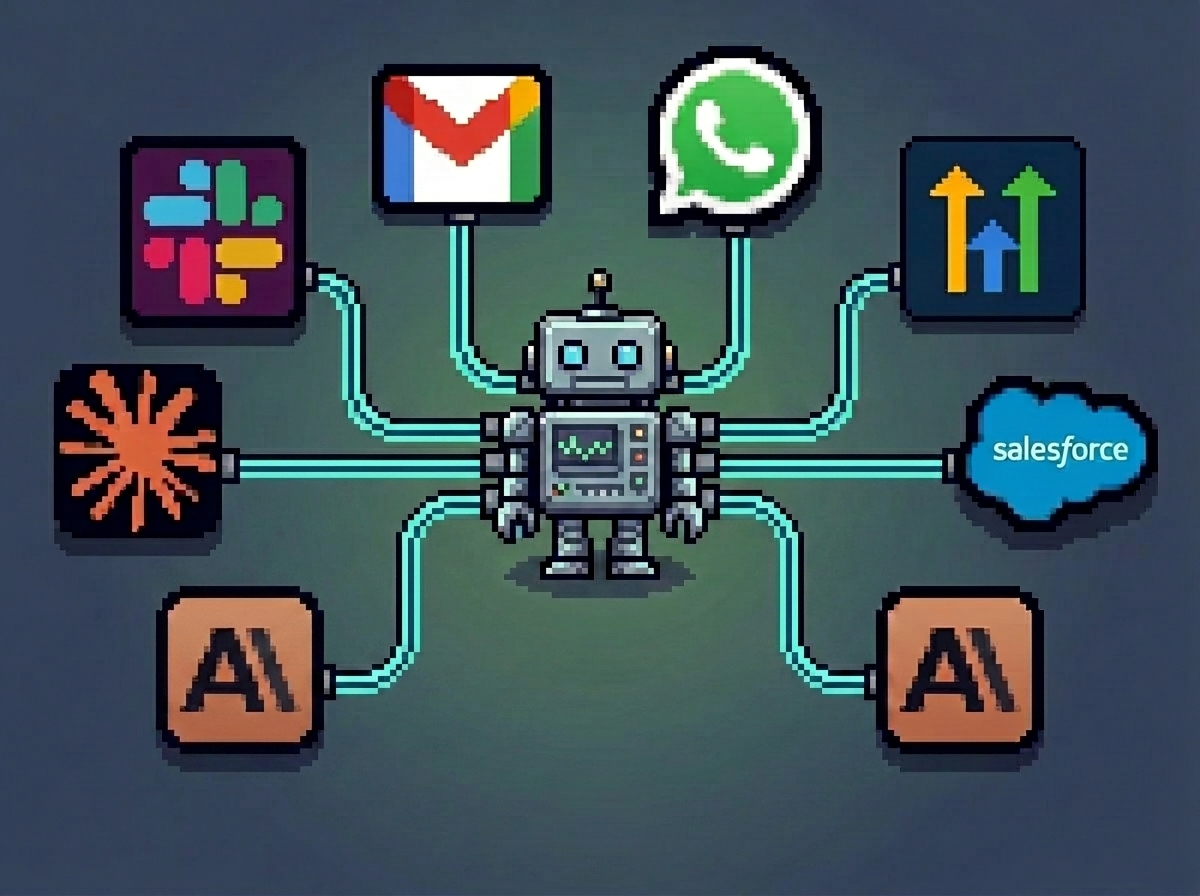
Agentic AI automation for business operations means using AI systems that can take a goal, understand context, decide the next step, use tools, and move a workflow forward with clear rules.
It is different from a simple chatbot. A chatbot answers. An AI agent can act.
But this does not mean giving AI full control over your business. The useful version is practical: AI handles repeated steps, checks information, updates tools, prepares work, and asks a human to review important decisions.
What Is Agentic AI Automation?
Agentic AI automation is a workflow system where AI can reason through a task and take actions across business tools.
For example, an AI agent might receive a new lead, read the message, classify the request, check the CRM, create a task, draft a follow-up, and notify the sales team.
The agent is not just generating text. It is helping move the operation forward.
A good agentic workflow usually includes:
A clear business goal
Access to specific tools
Rules for what AI can and cannot do
Human review points
Error handling
Logs and documentation
How Agentic AI Helps Business Operations
Most operations problems are not dramatic. They are small repeated tasks happening every day.
Someone checks the inbox. Someone copies data into a CRM. Someone summarizes a request. Someone follows up with a lead. Someone creates the same report again.
Agentic AI can help by handling parts of these workflows with context.
Common business use cases include:
Lead intake and qualification
CRM updates and task creation
Customer support routing
Email and document summarization
Internal reporting
Sales follow-up preparation
Research and data collection
Browser-based portal work
Operations handoffs between teams
The value is not that AI “replaces” the team. The value is that the team stops spending so much time on repetitive steps.
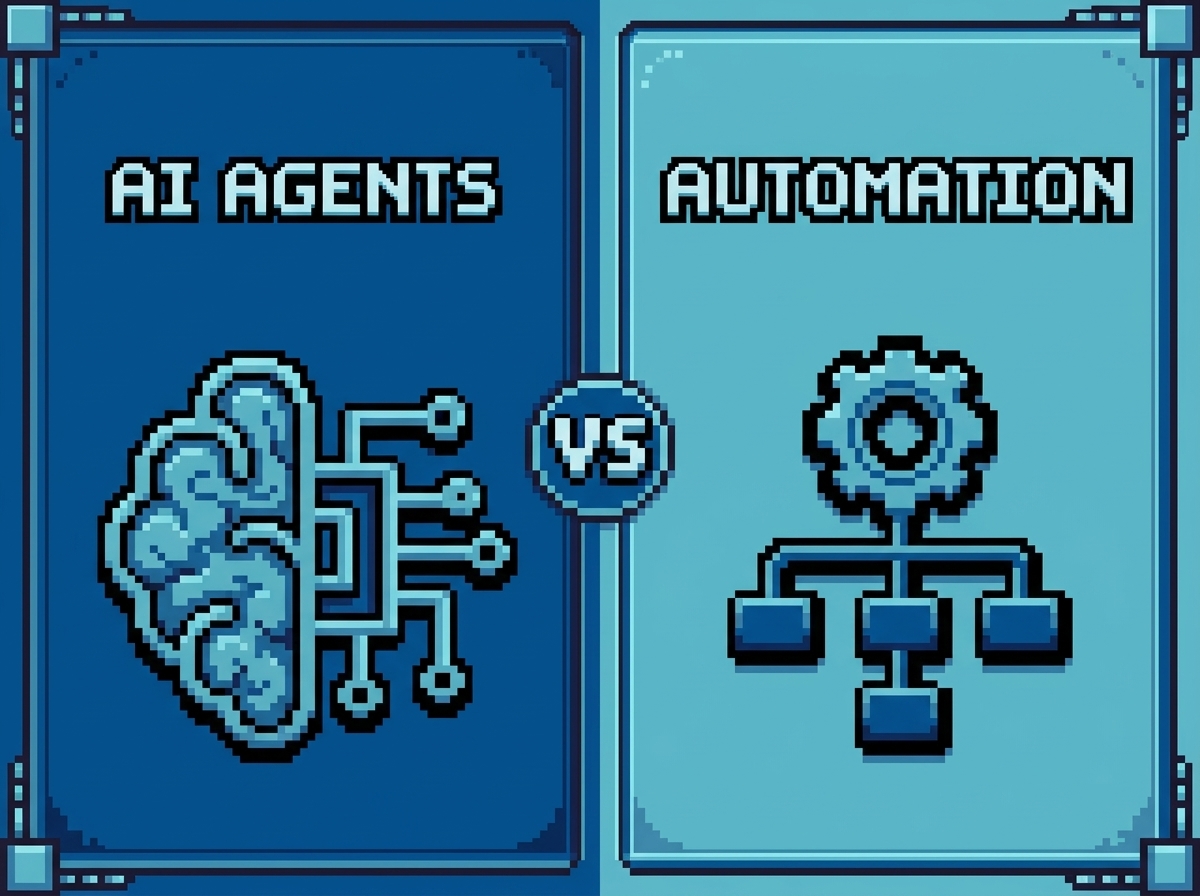
Agentic AI vs Normal Automation
Normal automation follows fixed rules.
For example: if a form is submitted, create a CRM contact.
Agentic AI automation can handle more flexible steps.
For example: read the lead message, understand what service they need, decide whether it is urgent, check if the company already exists in the CRM, then prepare the next action.
Normal automation is better for predictable, rule-based tasks. Agentic AI is useful when the workflow needs classification, summarization, reasoning, routing, or context.
Many strong systems use both. Rules handle stable steps. AI handles the messy parts.
When Should a Business Use Agentic AI?
Use agentic AI when the workflow is repeated but not completely simple.
Good signals include:
The task requires reading messages or documents
The next step depends on context
Leads or requests need to be classified
Team members repeat the same judgment every week
Information is spread across multiple tools
Follow-up depends on the customer’s situation
A human should review the final output
If the task is simple, use normal automation. If the task needs real judgment or carries risk, keep a human in the loop.
What Makes Agentic AI Reliable?
Reliable agentic AI needs boundaries.
A business agent should not be allowed to do everything. It should have a defined role, limited tool access, clear instructions, and review steps for sensitive actions.
A reliable setup includes:
Workflow mapping before building
Clear permissions
Tool-specific actions
Human approval for high-risk steps
Logs of what the agent did
Fallback logic when data is missing
Testing with real examples
Documentation for the team
This is where many AI projects fail. They start with the AI tool instead of the workflow.
At SpidLabs, the practical approach is to understand the business problem first, map the repeated workflow, build the AI agent or automation system, test it, debug it, and document how the team should use it.
Mistakes to Avoid
Do not build an AI agent for a workflow nobody understands. If the process is messy, map it first.
Do not give AI full control over sensitive actions too early. Customer messages, legal work, payments, pricing, and important business decisions should include review.
Do not use agentic AI where simple automation is enough. Not every workflow needs reasoning.
Do not measure success by how impressive the demo looks. Measure it by whether the system saves repeated work and makes operations easier to manage.
Final Thought
Agentic AI automation is most useful when it becomes part of business operations, not a shiny side experiment.
Start with one workflow your team repeats every week. Map the steps. Decide where AI can help. Keep humans where judgment matters.
If your team is spending too much time on lead handling, CRM work, support routing, reporting, or browser-based operations, SpidLabs can help map the workflow and build a practical agentic AI automation system around it.
FAQ
What is agentic AI automation?
Agentic AI automation uses AI agents to understand context, choose next steps, use tools, and move business workflows forward within defined rules.
How is agentic AI different from a chatbot?
A chatbot mainly responds to messages. An AI agent can take actions, such as updating a CRM, creating tasks, routing requests, or preparing follow-ups.
What business operations can use agentic AI?
Common use cases include lead qualification, CRM updates, customer support routing, email summaries, internal reporting, research, and workflow handoffs.
Is agentic AI safe for business workflows?
It can be safe when built with clear permissions, logs, human review, testing, fallback logic, and limits on what the agent can do.
Should every business use agentic AI automation?
No. Businesses should use agentic AI when a repeated workflow needs context, classification, summarization, routing, or decision support.