How AI Agents Can Handle Lead Follow-Up Without Replacing Your Sales Team
A practical guide to using AI agents for lead follow-up what they handle, what stays human, and how to build a system that works alongside your sales team.
By SpidLabs

Most sales teams do not lose deals because they lack skill. They lose deals because follow-up happens too slowly, too inconsistently, or not at all. A lead fills in a form on a Friday evening. Nobody sees it until Monday. By then, they have already spoken to a competitor.
AI agents fix the timing problem without removing the human relationship from the equation.
What an AI Agent Actually Does in a Lead Follow-Up Workflow
An AI agent is not a chatbot with a script. It is a system that reads context, makes decisions, takes action, and hands off to a human at the right moment.
In a lead follow-up workflow, an AI agent can:
Respond to a new inquiry within seconds via email, SMS, or chat with a message tailored to what the lead wrote
Ask qualifying questions and interpret the answers
Score the lead based on fit signals and update the CRM record automatically
Route high-intent leads to a sales rep with a summary of the conversation
Send follow-up touchpoints on day 2, day 5, and day 10 without anyone manually scheduling them
Flag leads that go cold and suggest re-engagement timing
None of this requires a sales rep to be online. It runs in the background, around the clock, on every lead simultaneously.
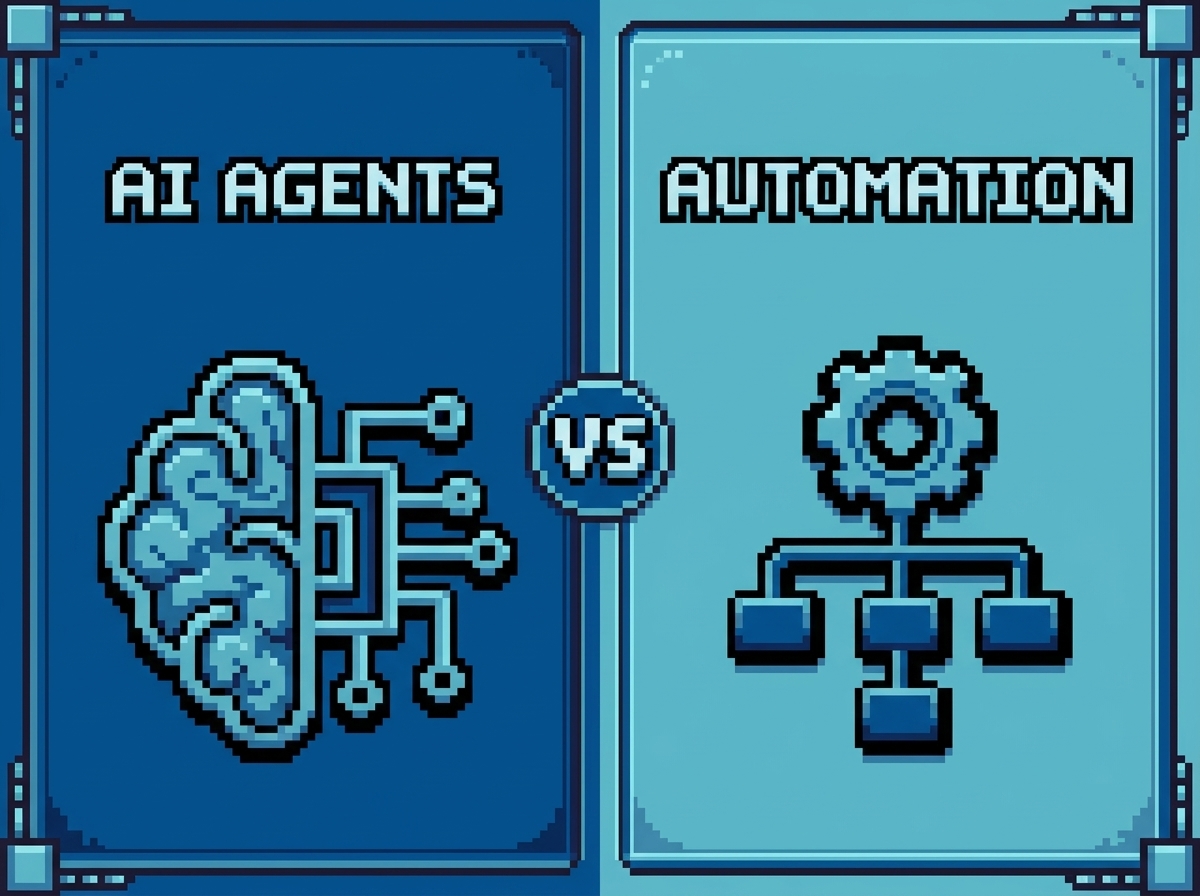
If you want to understand where AI agents fit more broadly in business operations, the post on agentic AI vs AI automation breaks down the difference clearly.
What Stays Human
This is the part most posts skip. AI agents handle volume and timing. They do not handle judgment, trust, or relationship nuance.
Keep humans responsible for:
High-intent conversations.
- When a qualified lead is ready to talk budget, timeline, or specific requirements, a human takes the call. AI prepares them with a full summary and a lead history.
Objection handling.
- A prospect who says "we tried something similar before and it didn't work" needs a conversation, not a template. AI flags it, a rep handles it.
Pricing and proposals.
- No AI agent should be making commercial commitments. That is always a human decision.
Anything emotionally sensitive.
- A lead who mentions they are under pressure, going through a restructure, or frustrated with a previous vendor needs a real conversation, not an automated sequence.
The best AI-assisted sales systems make the human's first interaction with a lead far more productive because the AI has already gathered context, answered early questions, and filtered out the noise.
A Practical Example: Service Business Lead Follow-Up
A home services company receives 30–50 inbound leads per week through their website form. Previously, a sales coordinator would review each one, email back manually, and try to schedule a call. Response time averaged 4–6 hours. Many leads did not get a second follow-up if they did not reply to the first email.
After building an AI agent workflow:
Every new form submission gets an AI-drafted response within 90 seconds, referencing what they asked about
The agent asks two qualifying questions: service type and timeline
Answers update the CRM automatically with a lead score
High-score leads get a calendar link and a rep is notified immediately
Lower-score leads enter a 3-step follow-up sequence over 10 days
Leads that still do not respond get flagged for a manual review call
The sales coordinator now spends their time on booked calls, not inbox management.
This is not a theoretical example. It is the pattern SpidLabs applies when building agentic AI workflows for small business teams.
How to Know If Your Follow-Up Workflow Is Ready for AI
Run through this before building anything:
Is your lead source consistent?
- If leads come in through multiple channels with no standard format, fix that first. AI agents need predictable inputs.
Does your CRM have clean fields?
- AI routing depends on structured data. If your CRM is a mess of notes and missing fields, the agent cannot make good decisions.
Do you have a defined qualification criterion?
- What makes a lead high-priority versus low-priority for your business? If your team cannot answer that clearly, an AI agent cannot either.
Is there a human handoff point defined?
- Before you build, decide exactly when and how a lead gets passed to a rep and what information they receive when that happens.
If you have not audited your current workflows before building, the AI automation audit checklist is a useful starting point.
Mistakes to Avoid
Automating the first message and nothing else.
- The first response is only valuable if the sequence that follows is equally consistent. Most lead leakage happens at follow-up steps 2 and 3, not step 1.
No escalation logic.
- If a lead replies with frustration or an urgent request and the agent sends the next scheduled template anyway, you lose the relationship. Every AI follow-up system needs escalation triggers.
Skipping the summary for the sales rep.
- When a rep gets handed a lead, they need context what the lead said, how they responded, what stage they are at. If the handoff is just a name and email, the rep starts from zero and the AI did not actually help.
Measuring open rates instead of outcomes.
- The metric that matters is qualified calls booked, and deals progressed not email open rates.
If your sales team is spending too much time chasing leads instead of closing them, SpidLabs can help you map the follow-up workflow and build the agent system around it. Book a strategy call if you want a practical plan built around your real pipeline.
FAQ
Will an AI agent sound robotic to my leads?
Not if it is built correctly. A well-designed AI follow-up agent uses the context from the lead's inquiry to write a response that references what they actually said. It does not send generic templates. The quality of the output depends on how the system is designed and what data it has access to.
What tools do AI lead follow-up agents typically use?
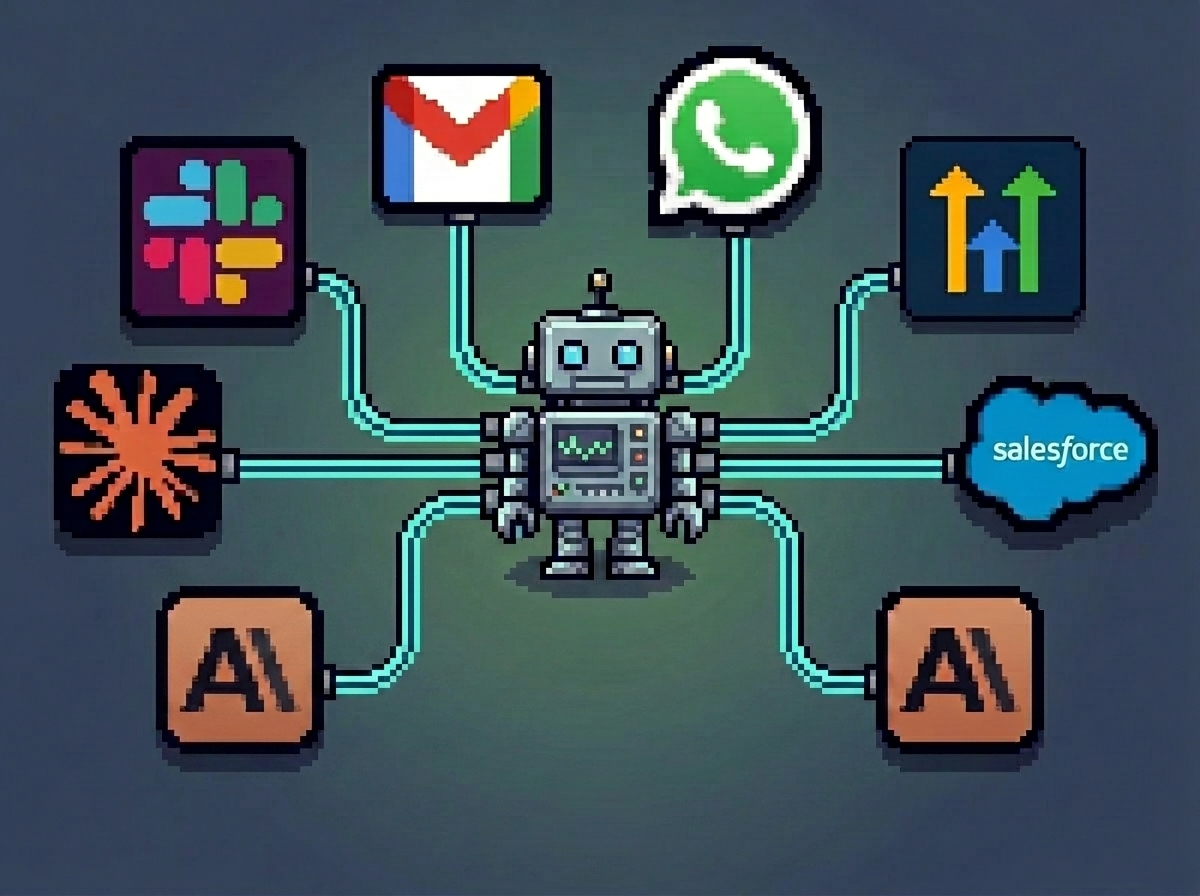
Most systems connect a CRM (HubSpot, GoHighLevel, Salesforce, etc.) with an AI layer that handles drafting and decision logic, and a messaging tool for email or SMS delivery. The specific stack depends on what your business already uses.
Can AI agents handle leads from multiple channels forms, ads, chat?
Yes, but each channel needs its own input mapping. A lead from a Google Ads form has different data fields than a lead from a live chat widget. The agent needs to be configured to handle each source separately before they can be treated consistently downstream.
How long does it take to set up an AI lead follow-up system?
A basic system single lead source, one qualification flow, CRM sync, and a 3-step sequence typically takes two to three weeks to build and test properly. More complex multi-source or multi-product workflows take longer.
What if a lead asks a question the AI cannot answer?
The system should have a fallback trigger: if the AI cannot classify the question or the lead requests a human, it immediately escalates to a rep with a full conversation summary. No AI follow-up system should leave a lead stuck in a dead end.